A Cornerstone in Treva McJury's Career
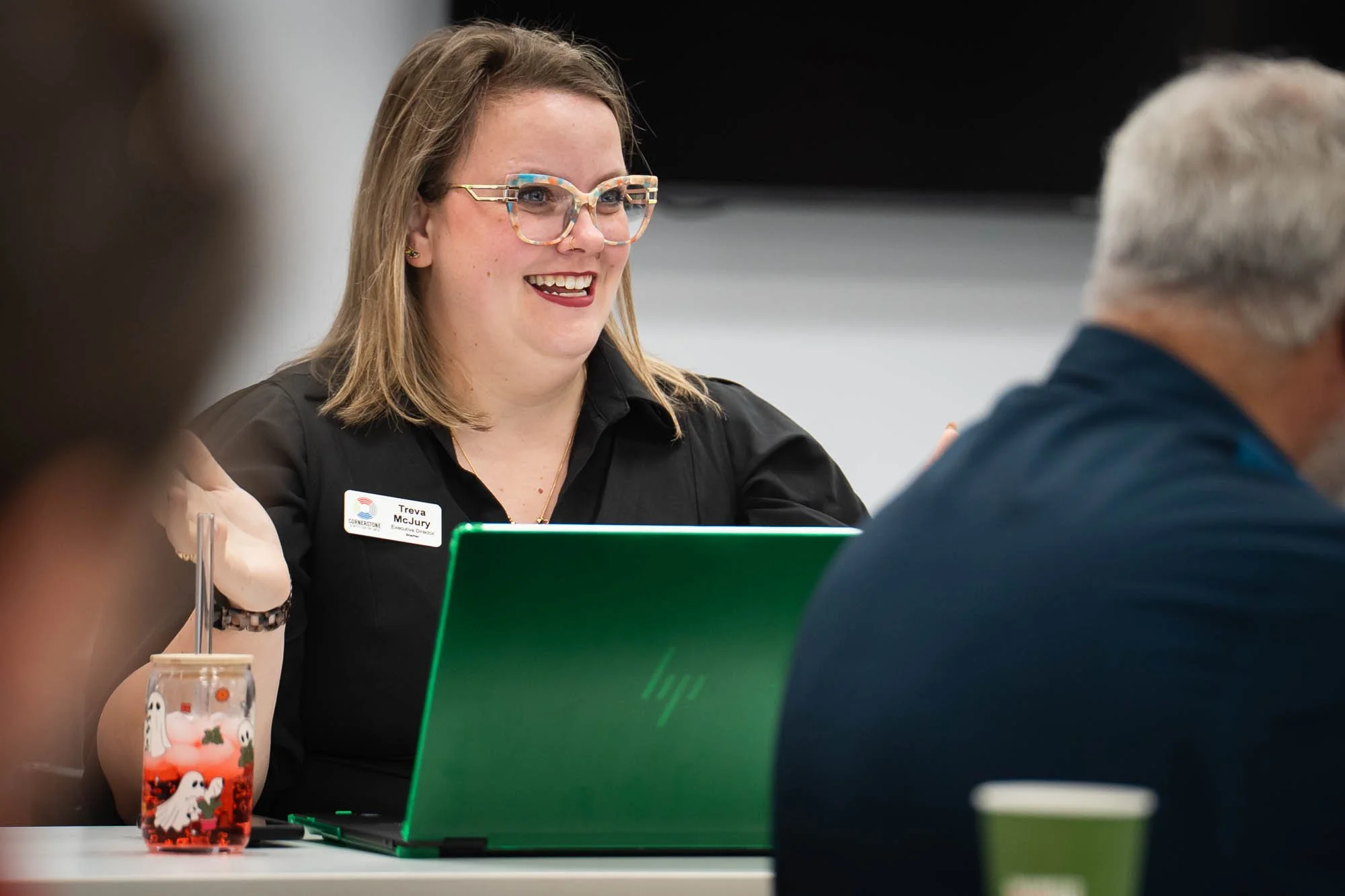
While Treva McJury describes herself as someone with a creative side and a logistical brain, the opportunity to lead an organization rooted in arts and community felt like a natural next step.
During her years at Horizon Convention Center, Treva found herself becoming increasingly connected to Muncie's arts community and the energy surrounding downtown. The more she immersed herself in that world, the more she realized she wanted to be part of helping it grow.
Cornerstone Center for the Arts offered an opportunity to do exactly that.
A Board Invested in the Future
As Treva learned more about the organization, another thing stood out: the support already in place.
The board, she explained, was not simply hiring someone to fill an opening. They had already been doing the work to strengthen the organization and wanted someone to continue building on that momentum.
For Treva, that commitment was reassuring.
Even so, stepping into leadership came with uncertainty.
"Intimidating, but in the best way," Treva shared when reflecting on becoming Executive Director of Cornerstone Center for the Arts.
And the challenge wasn't just learning a new role.
Cornerstone runs on an incredibly tight-knit staff of just nine people. Because the organization had been without an executive director for the previous two years, the majority of the team had actually worked there longer without a leader than with one.
Navigating a New Chapter
Recognizing the delicate nature of this onboarding period, Cornerstone’s board chair, Kourtney McCauliff, reached out to Nonprofit Support Network. Together, Kourtney and Jena Ashby, the Relationship and Resource Director at Nonprofit Support Network, brainstormed a proactive solution: an Executive Director Transition Session.
During Treva's second week on the job, Jena Ashby stepped into the room as a neutral voice. To ease the pressure, the staff was given a chance to share their expectations and concerns anonymously.
Jena facilitated the conversation, cracking the door open for genuine vulnerability and allowing the team to ask Treva questions directly. This established a transparent, two-way dialogue.
For Treva, the session was eye-opening, it showed her the beautiful reality of the team she was inheriting.
"To see at the core, they value what they’re doing," Treva notes. "It’s personal to them. That was really cool."
The session also reinforced the value of having someone outside the organization help guide conversations during moments of change.
“It’s always just nice having somebody not so involved in the organization kind of come in and be that voice of reason,” Treva explained.
For a new executive director and a team adjusting to change, creating space to listen may have been just as important as creating space to lead.
Advice for others
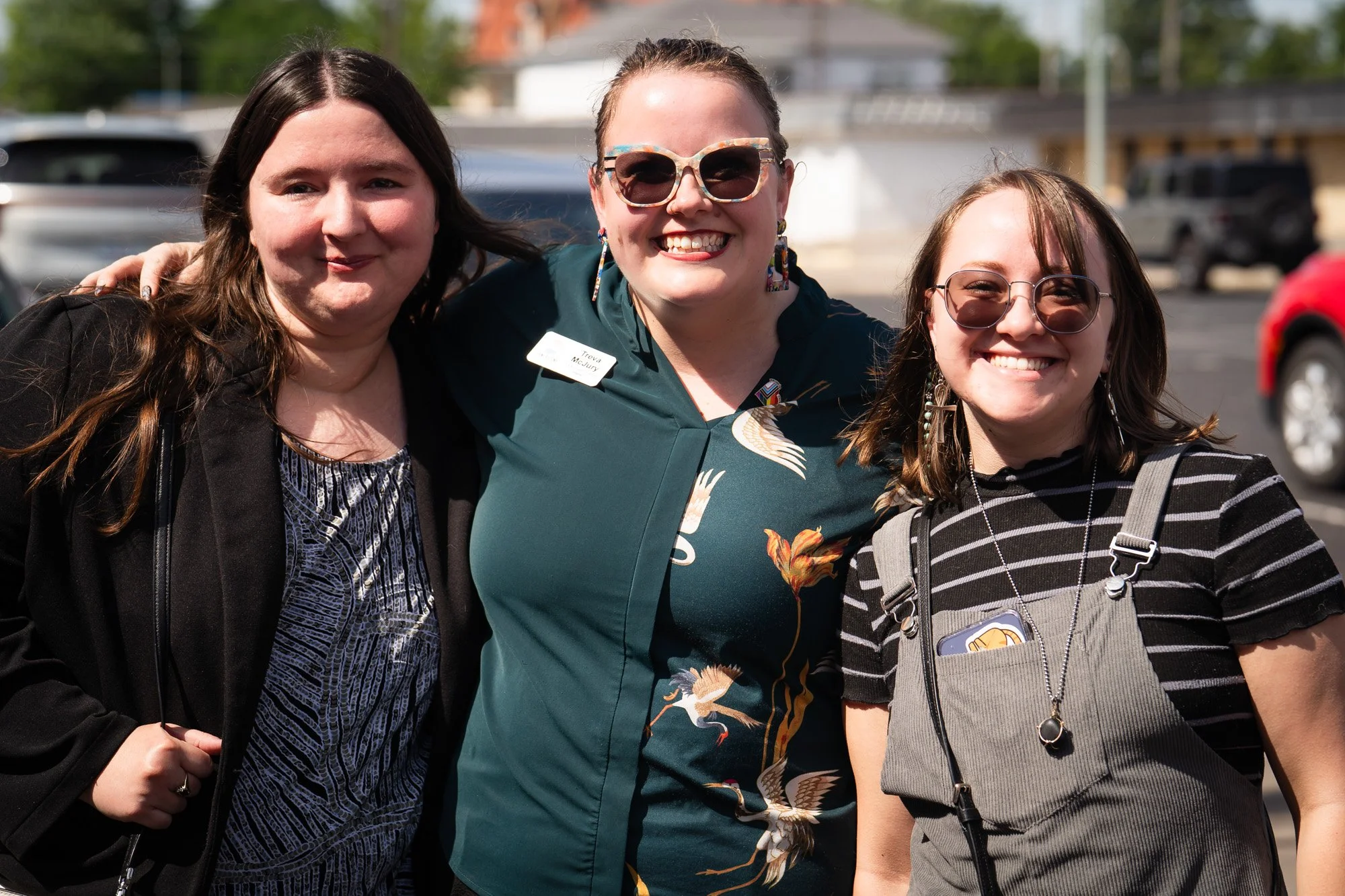
For Treva, one of the biggest lessons has been recognizing that nonprofit leaders do not have to navigate challenges alone.
She encourages others stepping into leadership roles to continue learning, seek support when needed, and take advantage of resources like Nonprofit Support Network.
Looking ahead
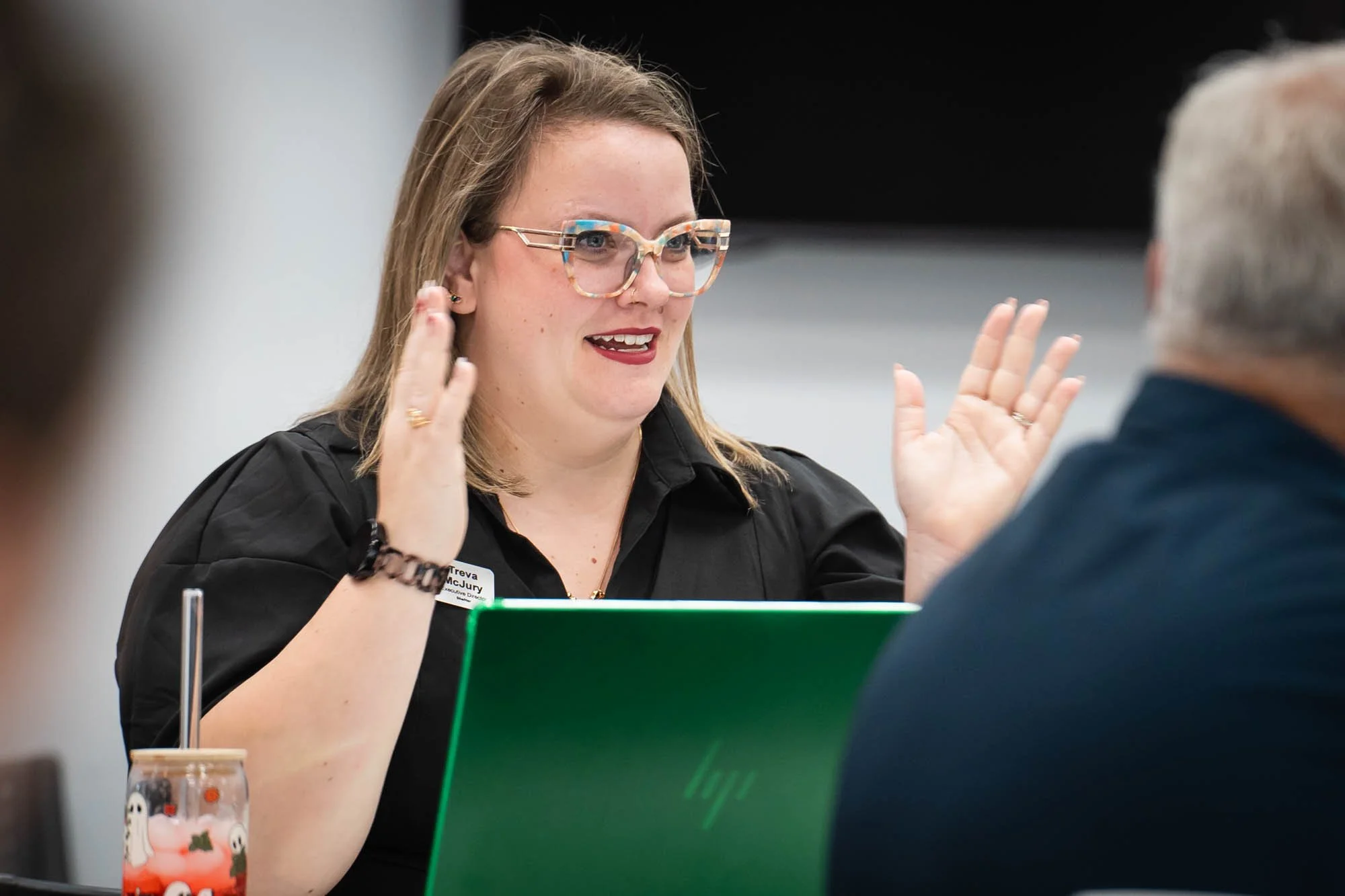
As Cornerstone celebrates 100 years and continues expanding programming, classes, and opportunities for the community, Treva is focused on helping people see everything the organization offers.
“I want people to get excited,” she shared. “When people say there’s nothing to do in Muncie, I want Cornerstone to be the first thing that comes to mind.”
For Treva, leadership is not about arriving with every answer.
And her experience is a reminder that some of the most important support nonprofit leaders receive does not always come in the form of a handbook or training.
Sometimes it looks like honest conversation.
Sometimes it looks like resources shared along the way.
And sometimes it looks like having someone help you navigate the space between leading a team and becoming part of one.
